
Clear Communication Is The Best Design Tool
Photo: Eunice Pais. Produced by PAIS.
When I stepped into my role at Corcoran during the height of the COVID-19 pandemic in 2020, the traditional creative landscape was shifting beneath our feet. Modern corporate environments were learning to navigate fully remote collaboration on a massive scale. Tasked with supporting the creative needs for the affiliate and franchise side of a global real estate giant, I knew that success wouldn’t just depend on sharp aesthetics. It would depend entirely on systems.
I brought a distinct operational blueprint with me from my days at Chelsea Piers. Managing fast-paced creative assets in sports and entertainment had taught me that beautiful design fails if the pipeline to deliver it is broken. To streamline our affiliate workflow at Corcoran, I immediately introduced structured alignment tools, rigorous project management frameworks, and centralized communication channels. The goal was simple: bridge the gap between corporate brand guidelines and the hyper-local execution required by our affiliates.
The Art of Coordinating Creative Functions
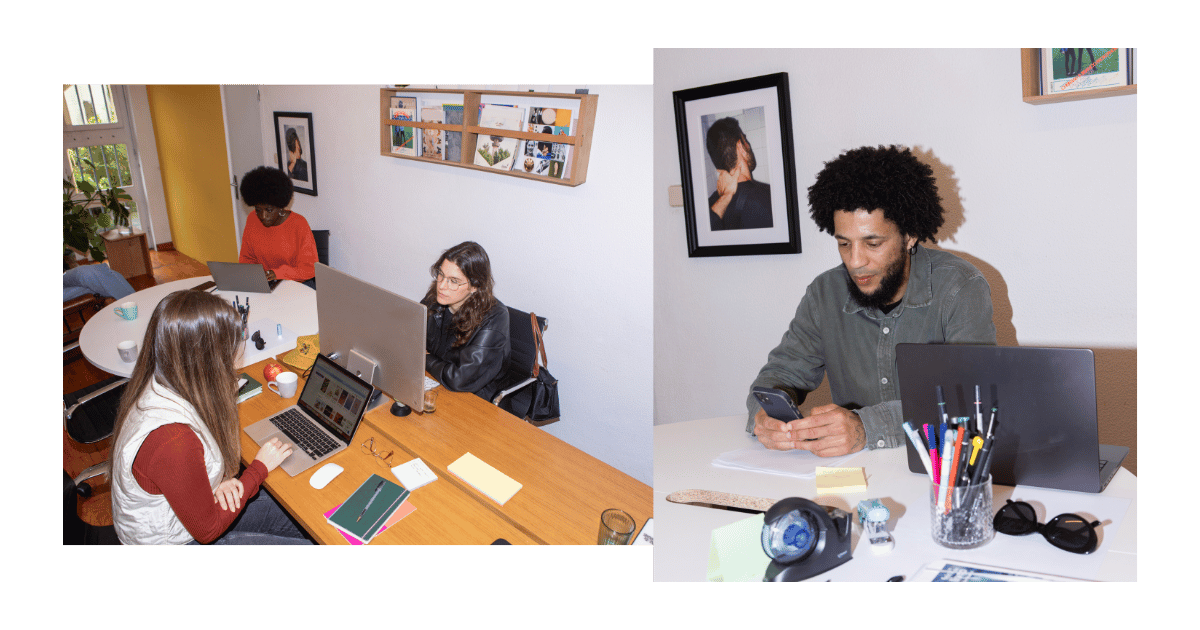
Many look at a creative services manager and see someone who simply oversees layouts, logos, and launch campaigns. In reality, the role is highly strategic. It requires managing a massive, monolithic design system while simultaneously serving as the primary liaison between executive stakeholders, regional brokers, and multi-disciplinary creative teams.
Coordinating these functions requires a high degree of structural clarity. On any given day, my responsibilities involve balancing contrasting needs—making sure a franchise marketing leader in one market feels uniquely supported, while ensuring the global brand identity remains perfectly intact.
How do we achieve that balance? It doesn’t happen inside an Adobe application. It happens through constant, deliberate communication. Design tools like Illustrator and InDesign are excellent for executing ideas, but communication is the tool that establishes the foundation those ideas are built upon. When expectations, feedback, and strategy are articulated clearly, the creative execution becomes seamless. When they aren't, even the most talented design team will miss the mark.
A Critical Lesson: Designing Systems, Not Silos
Of course, maintaining this balance requires navigating real-world friction. Early in my tenure, a regional affiliate insisted on heavily customizing their property signage, proposing a creative direction that veered completely outside our established brand standards.
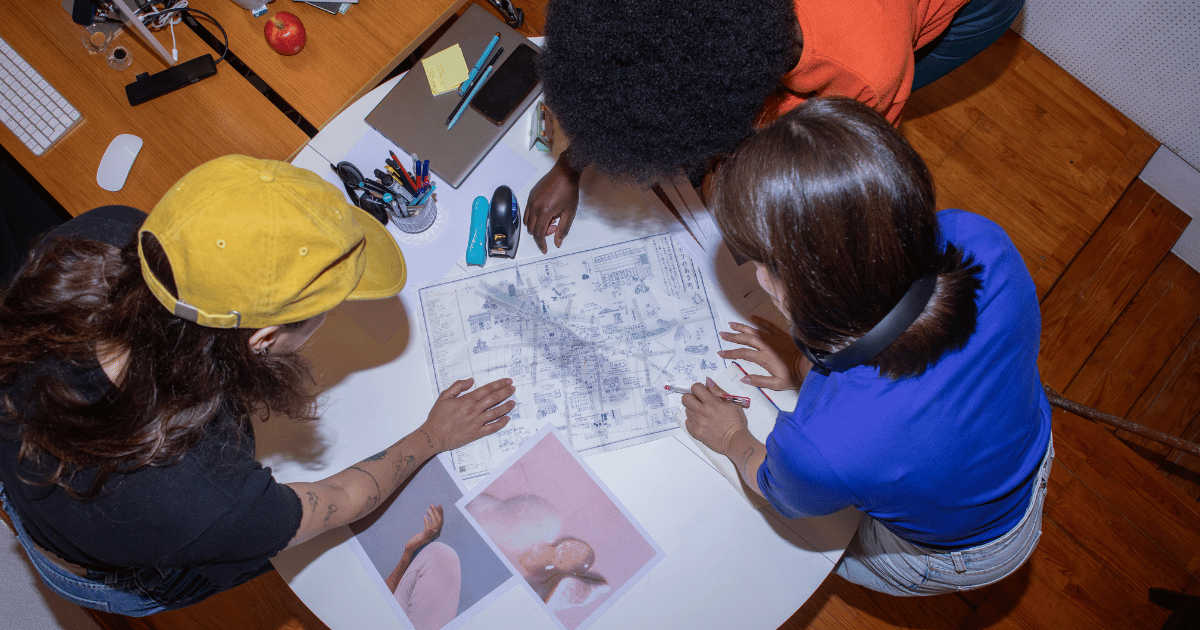
Instead of firing off a rigid, automated rejection email, I picked up the phone. I knew that to build a true partnership, I needed to help them see the bigger picture: signage is never designed in a silo. A property sign isn’t just an isolated marketing piece standing on a lawn; it is a highly visible touchpoint within a massive, interconnected design system. When you alter one piece arbitrarily, the visual integrity of the entire ecosystem begins to fracture.
By shifting the conversation from a lecture on compliance to a collaborative strategy session, we found our breakthrough. We listened to their specific local market needs and engineered a customized signage solution that gave them the distinction they wanted—while staying strictly within brand standards.
The ultimate benefit? By anchoring their request to our broader system, we guaranteed that their new signage would seamlessly adapt to future use cases they hadn’t even considered at the time, such as multi-agent teams. We didn’t just protect the global brand; we future-proofed their local investment.
The Real Value of Creative Management
Managers of creative services are ultimately the structural glue of an organization. We protect the visual integrity of a brand, but more importantly, we protect the relationships that build it.
Whether I am navigating a complex internal rollout for a global brand or partnering with independent businesses to architect their unique visual frameworks, the principle remains unchanged. True design excellence isn’t about who has the flashiest software. It belongs to the professionals who know how to listen, align, and communicate with absolute clarity. If you can master the communication, the design will naturally follow.
A note on how I work: Every insight on this site reflects my own professional experience and original thinking. I use AI as an editing tool — to sharpen clarity and refine language — not as a ghostwriter. The ideas are mine. The voice is mine.